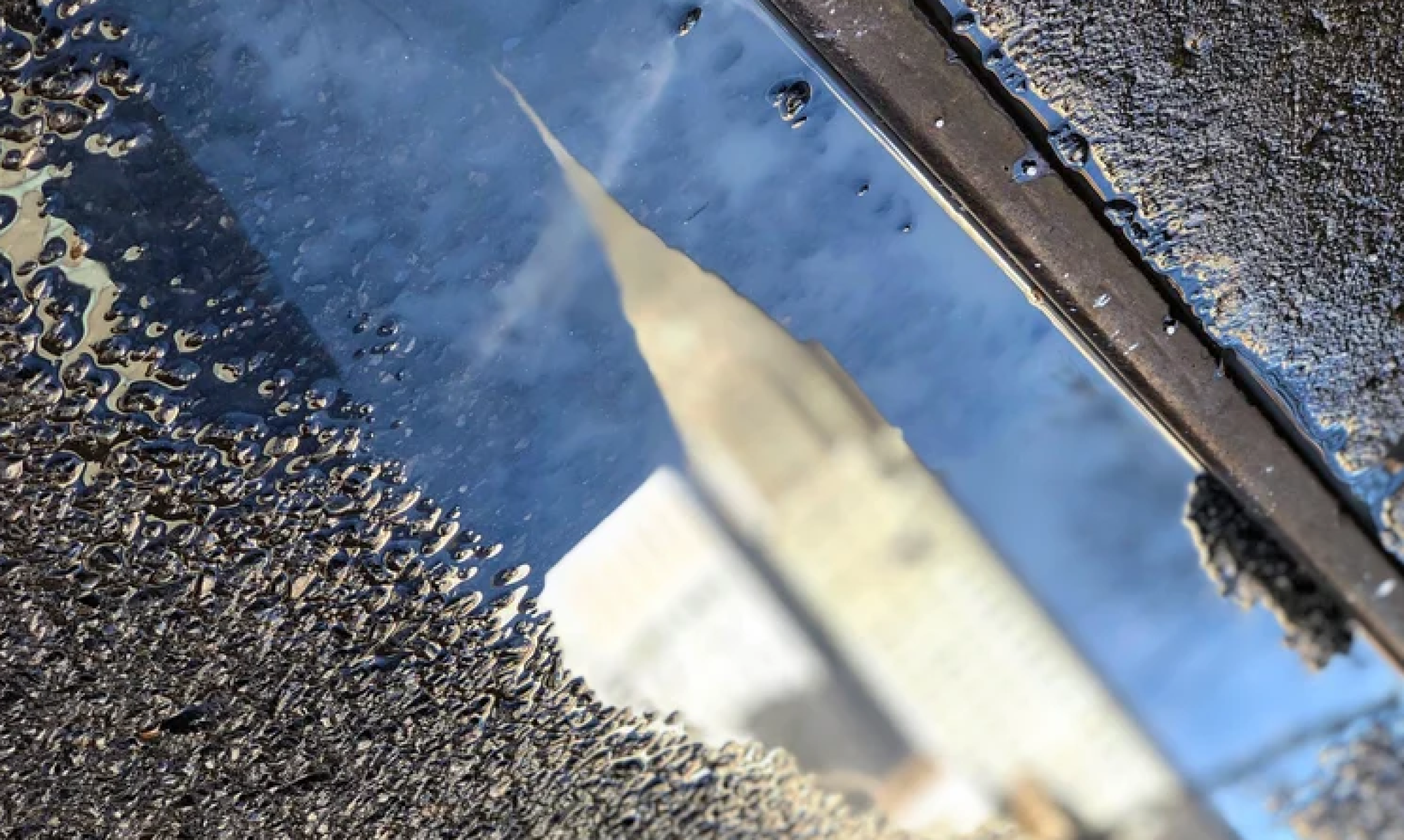
A 12” disc of 180 gram vinyl, encased in a glossy, dark green cover. Four mop-topped boys on the front look like brothers, and they’re oddly slanted, the grainy photo distorted. In the corner are fat, bubbly letters perfectly reminiscent of the psychedelic mid-sixties. I’m told by music journals that the album cover was edgy. It probably looks like how the Beatles saw the world starting that year. Ringo says they were stoned out of their mind for the filming of their movie, Help!, just months before, so it’s safe to say they were probably stoned for most of this album, too. Granny probably wasn’t thinking this, though. The album, I’m sure, left a lasting impression on her back in 1965.
Additional Criteria – Hearing Music Playing
When reading a new story, you have to hear the silent music in the sentences. It's pacing, as if moving in an inner dance-like performative experience.
Clinic Hours, After Rain; Ouroboros at the Kitchen Table; Three Small Things I Carry; Pinball, or How the City Learns Its Edges; Sequence: Four Doors
The fluorescent hum remembers the night shift: a blue ribbon of light between the blinds.
How I Write
I write poems the way some people keep a notebook by the phone: not to capture everything, but to be ready when something important calls. Most of my poems begin with a moment that refuses to stay quiet: a small human exchange, a remembered voice, an image that lingers longer than it should. I don’t chase ideas so much as I wait for them to return, shaped by time and attention.
Telling
Julinda knew it wasn’t her place to take her sister’s seventeen-year-old daughter to get birth control, but she also knew Amalia wasn’t going to do it. Would she be furious when she found out? Absolutely. But Julinda was willing to face her sister’s anger if the trip to the clinic succeeded in preventing yet another teenage pregnancy in the family.
On Having It
Education is not.
*****
Photography: DH