I rowed through the lifeless water, gripping the jar between my legs. I was alone in the bay. Too early in the season for lobster boats and tourists. A light drizzle soaked through my jacket. I didn’t feel it.
Dad used to take me rowing in the cove at night and tell me Penobscot Bay ghost stories. Pitch black, but for the stars, and the fog light he’d leave on at the shack. My favorite story was my great grandfather’s.
The year before my father was born, his grandfather went out fishing in a rowboat one night and crashed into a ledge. He couldn’t swim. He sat on the rocks, not 20 feet from shore, waiting for someone to rescue him before the tide came in. The locals say when the tide is right, you can smell the rotting mackerel that never made it to shore.
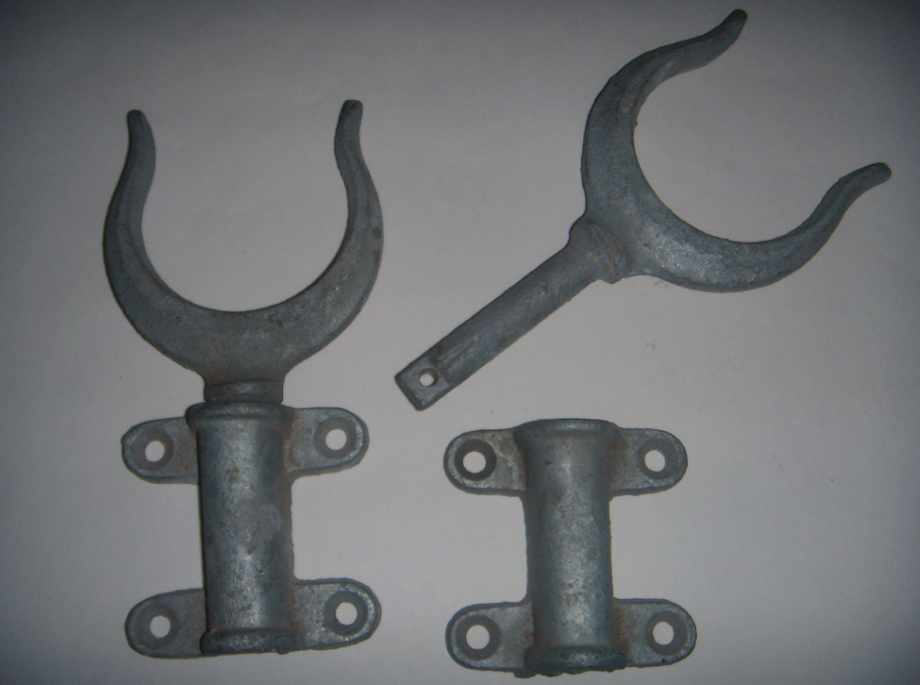
I kept rowing. There was no hum of fishing boats or screaming of gulls. Just the sound of the steady dip of the oars, and the sighing oarlocks. The sun was going down soon, but I didn’t care. I needed to make it to the Spectacle bell.
The bell was floating serenely, hundreds of yards off shore, guiding ships to safety. My Dad always told me if I were ever lost at sea, all I needed to do was to listen for its tolls.
There were no waves to give it life. Its calls were silenced.
I drew in the oars, and held the jar in my hands. I poured it out into the sea, watching as its contents fell to the surface like fresh snow, and disappeared into the bay forever. I don’t know how long I floated there, unmoving, listening to the silence of the bell, holding the empty jar between my fingers, like a candle.
Dad used to say, half-jokingly, that he wanted to die at sea like his grandfather.
I put down the jar, and began to row home.
***
The fog came down like a curtain. And then the dark. Only the lack of stars told me the fog hadn’t lifted.
“Never go out in the boat at night,” Dad would say. “Not without a compass and a flashlight. And don’t forget to leave the fog light on. Or you won’t find your way home.”
Tonight, even if I’d remembered, it wouldn’t have mattered.
I kept rowing, in any direction, hoping to see a light. But I knew at this time of year that even on a clear night, all I’d see would be the black shoreline. Spruce, looming over ghostly rocky shores. The cabins that populated the coastline were empty. Their occupants gone by Labor Day, south, back to Boston or New York, not to return until June. Their lights extinguished. I’d come up in April this year. For Dad’s birthday.
I was still a kid when Grandpa drove up from Massachusetts to check on the shack before a hurricane hit. He ended up on Bakeman’s beach. His body cut to pieces on the granite and barnacles. But his face calm, his eyes open. He must have been bringing in the boats.
Dad never told ghost stories again.
The fog got thicker and thicker. I could barely see the bow. So thick you could cut it with a knife like my Dad used to say. I twisted in my seat, peering into the fog.
The wall of fog in front of me screamed, then shattered as hundreds of gulls flew all around me, desperately flapping their wings, blinding me.
And then they were gone. I stood frozen, eyes wide, heart pounding. The rowboat glided past a small slab of exposed rock where the birds had been roosting. I smiled, I knew I was close now to shore. I paddled past them into the fog.
***
I stopped rowing, and pulled in the oars, sitting in absolute silence. I could hear waves lapping softly against the land and smell the stench of decaying seaweed on the tidal shoreline, reeking of dead fish. Land was near. I stood up, holding the jar in my hands, balancing carefully as I struggled to see the shore. But no matter where I looked, I was met by darkness. From somewhere, just out of sight, a screeching of oarlocks pierced the silence.
The boat hit rock. My legs crumpled, and I was falling. My shoulder slammed against granite, softened only by the seaweed that matted the surface like hair covering bone. I lay half-submerged. One leg perched on the deck of the boat. Water seeped into my jeans, weighing me down. I tried to pull the boat in with my foot, but it slipped away. I scrambled up, stepping into the water to grab it. My shoe slipped out from under me, and my shins tore against the barnacles, soothed only by the frigid, numbing water. The boat had disappeared.
I saw the jar. Somehow still upright in a nest of seaweed. I picked it up and climbed to the high point of the ledge. I sat cross-legged, cradling it. Shivering, but not feeling the cold.
At least I’d made it to the Spectacle bell before night. I knew it was where my father would have wanted. Last Spring he’d driven up to the shack to celebrate his birthday. A lobsterman found his body on Spectacle Island one morning, next to his sailing dinghy. He must have capsized. Ten minutes in the water at that time of year was enough.
If only the fog would lift. I’d swim my way home.
I sat, waiting, holding the jar to my chest, as if it might possess some warmth.
I could faintly hear the straining of oarlocks from somewhere in the fog. Help was coming.
A ghostly outline of a rowboat appeared, just behind the curtain. The sound of the oarlocks became louder and louder.
I could smell rotting fish.
Someone would find me.
***
The next morning the fog didn’t lift. There were no cries of birds, no laughter of summer people, no puttering of lobster boats. The cove was still. Somewhere in the fog there was the soft dip of oars. And the sound of oarlocks.
*****
Rob Loomis is from Massachusetts, but lives in Ankara, Turkey. His work has been published or is upcoming in Wilderness House Literary Review, Flash Frontier, and Points in Case.