 I find it strange that in our troubled world, I should be trying to convince you to read a poem. Doesn’t that sound like I’m sympathetic to Nero, that notorious Roman emperor who fiddled while his city burned? The “defense” of poetry is an argument as old as that wicked sovereign. Here’s how I’m defending myself: Read poetry because language is ambiguous and so are you!
Now, don’t get mad. Ambiguity is a good thing as the basis for enriched meaning. You want to eat foods that are enriched, don’t you? Ambiguity, by rendering language “multivalent”, means that a few words or phrases can do double or triple duty and mean different things depending on how they are used. Poems are master documents in the exercise of ambiguity, so they are enriched texts.
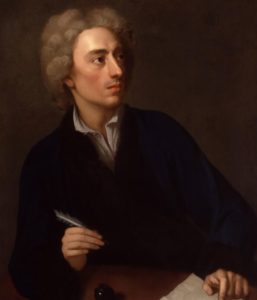
I still have to answer the charge that I called you ambiguous. Even Socrates, hanging out in the marketplace of ancient Athens, infuriated his neighbors by showing that they didn’t know what they were talking about. We are all trapped in that “…mighty maze! but not without a plan…” (Alexander Pope) By figuring out what a poem means, by letting it talk to us, we gain some clarity, along with the delight of solving a “word maze”. Hearing what other people have to say, or what a poem has to say, is a form of detoxing, of reality testing. It’s amazing how many people don’t really listen. Read a poem. It will help you to listen.