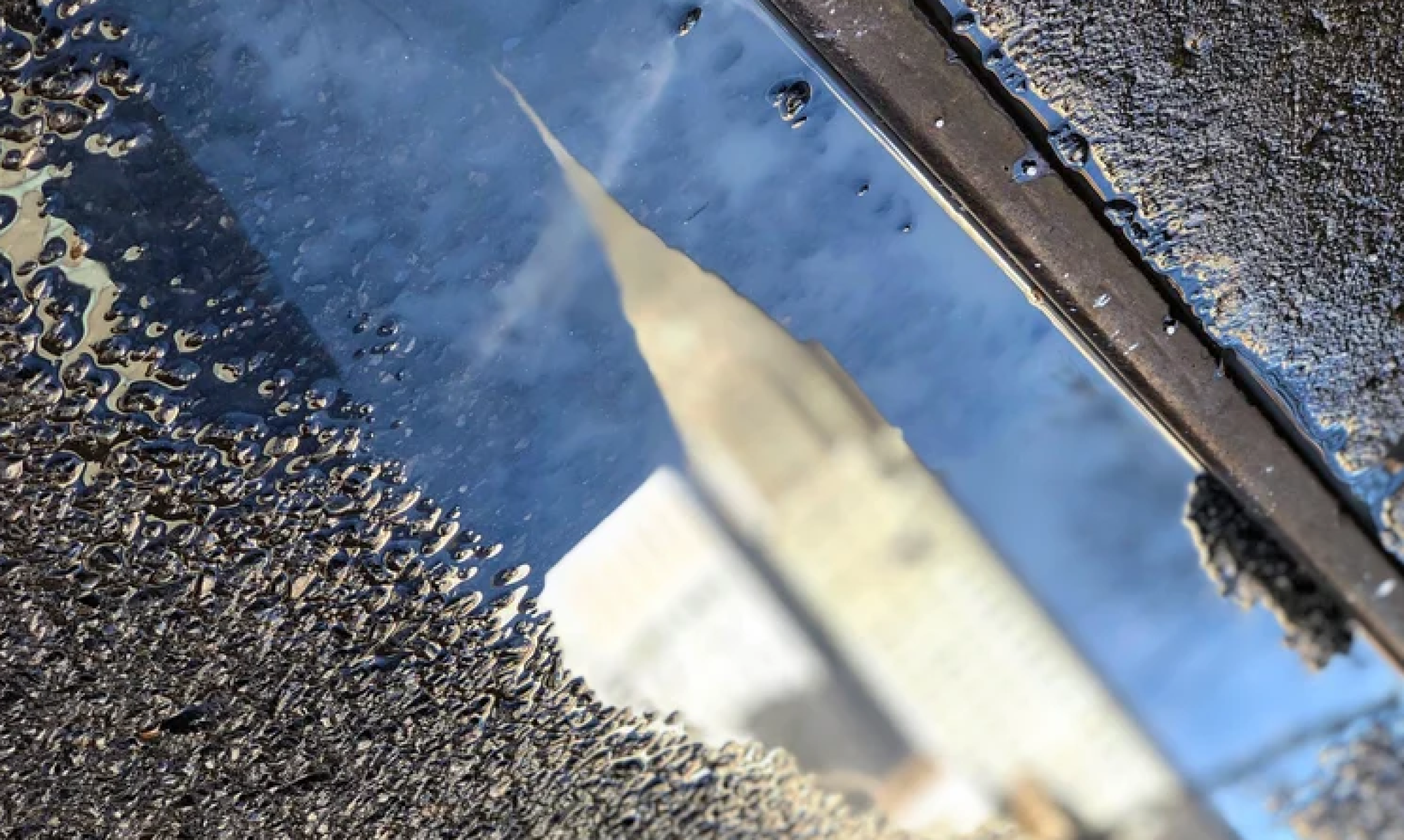

This month marks the tenth anniversary of Litbreak Magazine. So I sat down with our signature photographer of these years, Jason Rice, to talk about photography. JR’s photographs have been defining the style of Litbreak Magazine for a decade.
***
DH: Hello JR, imagine this: It’s a beautiful Sunday afternoon. You’re about to leave for a photography exhibit that you have looked forward to all month. Some photographers you have long admired will be in the show. Who are they?
JR: Vivian Maier, Garry Winogrand and Ralph Gibson.
DH: I know you have had a darkroom and can make your own prints. Peter Hujar, a great American photographer, was famous for making his own prints, many of which are in the Morgan Library collection. I’ve seen your prints of your work: the effect is exhilarating. It like seeing a living image residing on the paper…so subtle. What are the advantages and pitfalls of working in a darkroom on your own pictures?
JR: It’s eye wateringly expensive, from paper to chemicals, film, it just doesn’t mean what it once did, to me. I think. Making your own prints from your own negatives is very useful to understanding how to expose a picture. What a good negative looks like is a valuable skill to learn. I have made great prints of a lousy negative. Also, making the print, hand on, and seeing it come alive in the chemistry…there isn’t anything like it. The whole endeavor leads you closer to the making of the negative. Like learning voodoo.
DH: What should a photographer take a picture of? What makes that picture a success and what would make it uninteresting?
JR: Anything they want. There are no rules. I had a teacher once who told the class that if we took a picture of the state capital building in Providence he’d fail us. Oddly, I never have, and always look at that building like it’s a complete failure of a structure.
DH: I’ve seen you whip out your cell phone on the street and take a picture. Do you encourage an aspiring photographer to use a cell phone for photos? Do you get any good pictures that way?
JR: Use whatever works. I get zillions of good pictures with my phone. Having a camera in your hand all day long can only make your eye sharper. You’ll see better if you take pictures of anything that gets your juices flowing. I love the technology. I adore Tin Type app. I call it the poor man’s Ralph Gibson impersonator.
DH: If you could use any type of camera you wanted, what would it be? Are there advantages or disadvantages to using different kinds of cameras?
JR: I’ve been told by a person in the know that all cameras are just tools. I love Leica. I came to that late in the game. The lens are to die for, and the standard file, natural setting is gorgeous. I’d kill for a digital Hasselblad, but that’s like fifteen-thousand, and the files are so big you’d need a NASA computer to process and store them. The images are sharp as fuck. Plus the square format is very appealing to me. It’s analog adjacent without the hassle of shooting 120 film, (12 frames only, then change the roll).
DH: You’ve published a book of your street photographs, called engagingly, Overseas, with an introductory essay by Matthew Spector. With many photographs from your Roman sojourn and as well as photos from other locations. What was is like to be a photographer in Rome? Can you something about the genesis of the book and where it may be obtained?
JR: Matthew Specktor is a friend and was immediately game to write the essay. I’m forever indebted to him. He’s a great writer and readers everywhere should seek him out. In Rome it was weird to be a photographer because I didn’t see street photographers like I do today in NYC.
I spent a lot of time at the bus station and went there almost every day. I frequented tourist spots, alley’s, piazza’s, and remote towns. I wanted to be Garry Winogrand and set out to fulfill that dream by going to Rome to study with a painter and make pictures. I met with him once a week and discussed my work. That’s all I had to do. Back then I didn’t think about the opportunity like I would now.
Also, I didn’t look at the negatives for twenty-five years after I left Rome. Last summer I created a mockup of a curated group of images, sent it to publishers in Italy and got rapid positive response. I’m currently selling the book myself as my publisher won’t get involved with US tariffs. Send me an email with your address and you get a signed copy of the book with a limited edition print, signed. $34 with shipping and handling (Venmo preferred). If anyone has the time, I discuss the origin of the book on the Street Photographers Podcast, https://streetphotographymagazine.com/jason-rice-and-the-art-of-patient-observation/
*****
Photography Credit: Jason Rice
