
 My mother was still teaching me how to spell my name after kindergarten. I was learning Spanish all over in a country that spoke English, which I also had to learn. It was not until 2001, away from El Salvador, that I discovered libraries. In El Salvador, I posed for photos in frilly dresses and later wore my pajamas barefoot—there was always enough space and time for adventure. I could not imagine feeling at home in books.
In the U.S., my parents and younger brother, lived on the second floor of a one-bedroom apartment. I would stare at leaves on nearby tree branches. The leaves felt within arm reach, and because of this, the tree would be cut down in later years. Meanwhile, I had so much catching up to do as a child in a new country. There are many people and places that have disappeared from my life but reading and writing kept a presence throughout the years, when my environment was anything but constant.
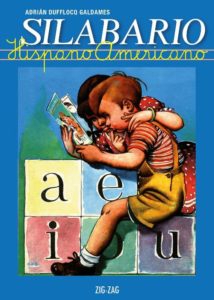
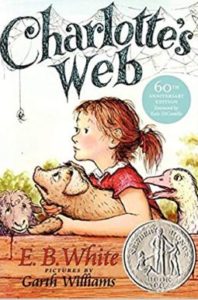 My mom assigned me the Silabario, a Spanish book of phonetics and parables. She took me to the library, a walking distance adventure. I remember the library’s section of audiobooks: plastic baggies contained one cassette and a book, hanging off a rack like clothes. At school, we’d have class read alouds, and I’d be enchanted by words that made the events and people in books feel real. I remember when teachers braved through, with or without crying, books like E. B. White’s Charlotte’s Web and Katherine Paterson’s Bridge to Terabithia.
I had English as a Second Language curriculum, but I didn’t mind the extra time with language. I didn’t feel different or ashamed, though I must have suspected I wasn’t exceptional at spelling and wrote lackluster sentences. But sometime before starting middle school, I had gained confidence; reading and writing were something I could do. My English teachers were my first readers, and they left comments on my papers for me to read. I would patiently work through noisy dial-up internet and sit ready at my desktop keyboard to exchange long-winded letters with friends over email.
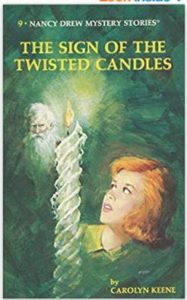
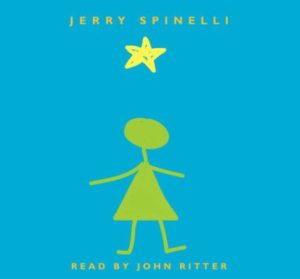 Over the years, books kept me company. I grew up on the Junie B. Jones and Nancy Drew series. I read through the Harry Potter series to the point my mother’s coworkers would send home the next installment. In the seventh grade, I was assigned Jerry Spinelli’s Stargirl, and I felt a connection to words like never before. This was a book I highlighted and starred at the margins, so many words begging to be read out loud, metaphors and acute adjectives. I loved that beauty with the novelty of first love. I wanted things to work out for the main characters: I rooted for Leo to choose Stargirl over the status quo of high school. There was no question that these characters were real.
 After seventh grade, my family became a family of two. My parents separated. I saw my brother less often and lost interest in a father figure. Those first years were tough, so I wrote in my notebooks and on my laptop, diary entries and ramblings about the meaning of life. I wanted to understand the injustice and heartache happening around and inside me. My ideas and feelings about family, love, and social issues found themselves in poems by high school, when I joined my school’s poetry club, and the rest of my story, years of becoming myself, continues in and with books.
There are some days, some weeks, where I don’t pick up a book or a pen. To my good luck, books don’t keep accounts. With each passing year, books, notebook pages, and screens welcome me. That I would fall in love with books and poetry was inevitable. My falling was undreamed and necessary.