
Poems often begin for me not with an idea but with a disturbance in attention. Something small refuses to pass unnoticed: the way rain leans against a window, the pause before someone answers a question, the peculiar stillness of a room after a conversation ends. A poem begins when I realize that the moment contains more than it first revealed.
I carry fragments of lines in my mind for days or weeks before writing them down. Sometimes the line arrives whole, sometimes only as rhythm. I try to follow the sound first and the meaning later. Language, like water, tends to find its own level if you give it enough patience.
My professional life in medicine has quietly influenced how I approach writing. Medicine teaches careful listening. A patient’s story often unfolds in pieces, and the important detail may arrive unexpectedly in the middle of an ordinary sentence. Poetry works the same way. The poem becomes a place where attention slows down enough for hidden meaning to surface.
When I revise, I look for anything that feels excessive or decorative. I remove words until the remaining ones begin to carry weight. A poem should feel inevitable, as though the language has arranged itself in the only order that allows the thought to exist.
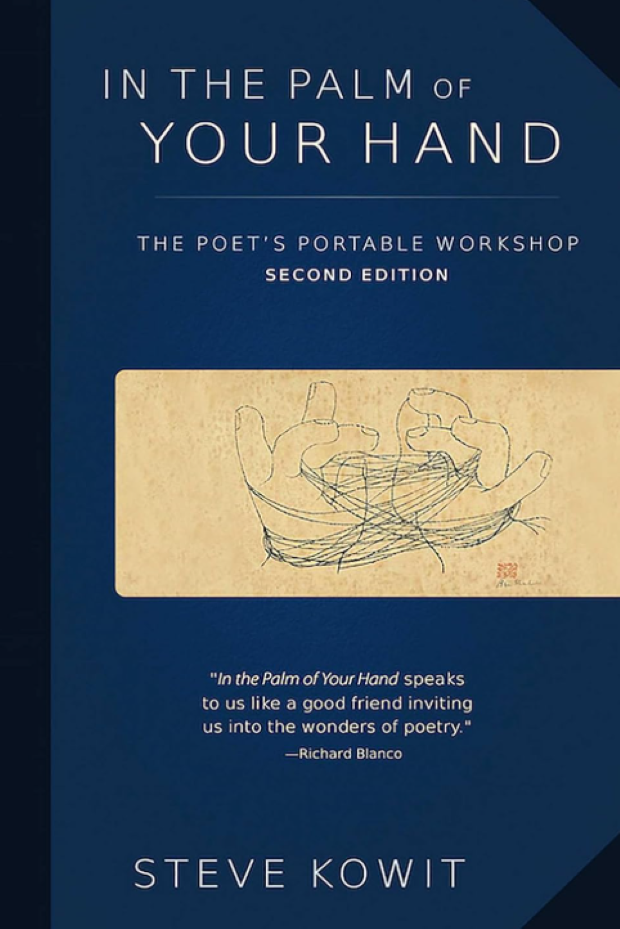
Two books that helped shape my understanding of this process are A Poetry Handbook by Mary Oliver and In the Palm of Your Hand: The Poet’s Portable Workshop by Steve Kowit. Oliver’s clear explanations of sound, imagery, and line movement helped me understand how poems breathe on the page. Kowit’s exercises reminded me that poetry is also a practice, something learned through attention, persistence, and curiosity.
But the real apprenticeship of poetry happens outside books. It happens while walking through a city at dusk, listening to someone tell a story, or noticing how light moves across a table. The poet’s work is to remain available to these moments.
Most poems, even successful ones, fail to capture the full complexity of experience. Yet the attempt itself is meaningful. A poem is a small act of attention offered to the world. When it works, it reminds us that ordinary life contains more depth than we usually allow ourselves to see.
*****